Expat Communities in Canada: Where to Find Your Tribe
Canada is a country built by people who came from somewhere else — which makes it one of the easier places to find your people after a move. That doesn't mean it happens automatically. Whether you've landed in Toronto, Vancouver, or Montreal, the first few months can still feel like standing at the edge of a room full of strangers. Here's where to find the groups, networks, and organizations that make it easier to feel at home.

1. Online Expat Communities & Forums
Before you've found your footing in person, these are the places to start asking questions and making first connections.
Where to Find Them:
Meetup's Expat Groups (Canada): A directory of active expat meetup groups across Canadian cities, from casual social meetups to newcomer-specific events.
Expat.com Montreal Network: A dedicated forum and social network for expats living in and moving to Montreal.
Expat.com Toronto Forum: An active discussion forum where newcomers to Toronto ask practical questions and connect with people who've already made the move.
2. Newcomer & Settlement Organizations
Canada's settlement system is one of the most established in the world — these organizations exist specifically to help you land, and most events are free.
Where to Find Them:
MOSAIC (Vancouver): Settlement and employment services for newcomers, including social and orientation programs.
WoodGreen (Toronto): Settlement services for newcomers, including community programs that double as a way to meet people.
NewToBC (Vancouver): A newcomer information hub with guides and links to local settlement organizations and community groups.
YMCA Newcomer Information Centre: Newcomer orientation and community programs, with locations serving several major Canadian cities.
3. Professional & Business Networks
A professional network can be just as important as a social one when you're rebuilding a career from scratch in a new country.
Where to Find Them:
FemCity Toronto: An international networking group for women in business, with a Toronto chapter.
Women Who Network (Toronto): Regular business networking events for women in the Toronto area.
Ellevate Toronto: The Toronto chapter of Ellevate Network, a professional network for women, open to newcomers building a career in Canada.
4. Social & Hobby-Based Communities
Shared interests are often the quickest way to turn strangers into friends.
Where to Find Them:
Meetup's Canadian Interest Groups: Search by city and hobby — running clubs, book clubs, board game nights, and more, in Toronto, Vancouver, Montreal, and beyond.
Local expat social guides: Sites like Meet People Toronto publish regularly updated guides to the city's active social and expat meetup scene.
5. Family & Parenting Support
Moving with kids means navigating school systems and childcare on top of everything else — these resources are built specifically for that.
Where to Find Them:
Moving2Canada's Schooling Guide: A newcomer-focused guide to how the Canadian school system works, by province.
Expat Info Desk (Vancouver): City-specific guides covering childcare, infant care, and family services for newcomer parents.
6. Finding an English-Language Faith Community
For expats who want to keep a faith practice going after the move, most major Canadian cities have well-established English-language congregations across denominations.
Where to Find Them:
Expat Info Desk's Worship Guide (Vancouver): A practical starting point for finding English-language congregations and services in Vancouver.
Final Tips: How to Find the Right Community for You
Start with a settlement organization. Even if you don't need formal settlement help, their community events are some of the easiest, lowest-pressure ways to meet other newcomers.
Give it more than one try. The first meetup rarely feels like "the one" — most people find their real group by the second or third event.
Go where your interests already are. A running club or book club puts you next to people you'd likely be friends with anyway, expat or not.
Check both Toronto/Vancouver/Montreal-specific and national groups. Some communities are hyper-local; others (like Meetup's national expat directory) span multiple cities if you're not sure where you'll end up long-term.
Building a life in a new country takes longer than the paperwork does. But between Canada's settlement organizations, professional networks, and genuinely active meetup culture, there's a real community waiting in Toronto, Vancouver, Montreal, and most cities in between.
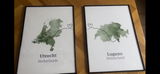
If someone you love just made this move, our guide to meaningful gifts for someone moving abroad has ideas that go beyond the usual care package. And if you're the one who moved, a custom artwork of both your cities is a quiet way to keep the place you came from visible while you build a life in the new one.

New: a Two City Landscape Canvas blends both cities into one flowing landscape, connected by the rivers and waterways that run through them, instead of a skyline — a softer way to keep the place you came from visible at home. You choose the two cities, get a free digital preview, and can request changes before it's printed.
FAQ
What's the fastest way to meet people as a newcomer to Canada?
Settlement organizations like MOSAIC, WoodGreen, and the YMCA Newcomer Information Centre run free community events specifically designed for newcomers — often the easiest first step before joining a general meetup group.
Are settlement services only for immigrants, not expats on work assignments?
Most settlement organizations welcome anyone newly arrived in Canada, regardless of visa type — it's worth checking a specific program's eligibility, but many events are open to all newcomers.
Is the expat community different in Toronto vs. Vancouver vs. Montreal?
Yes — Toronto and Vancouver both have large, active Meetup and settlement-org scenes, while Montreal's expat network leans more on Expat.com's dedicated local forum and network. Checking city-specific groups usually turns up more relevant events than national ones alone.
Do I need to already have a job or visa sorted to join these communities?
No. Most of the groups and organizations listed here are open to anyone in Canada, including people still settling their paperwork — several settlement organizations specifically help with that process too.