Culture Shock Stages and Reverse Culture Shock: What to Expect
Delen
You've moved. The first weeks were exciting. Then, one ordinary Tuesday, something small goes wrong, like a closed shop or a form you don't understand, and you feel more upset than it deserves.
That's very common. It's often called culture shock, and it usually has a pattern. Knowing the pattern doesn't make it disappear, but it does make it easier to recognise.
The four stages of culture shock
One widely used model describes four stages. It is often credited to researchers such as Sverre Lysgaard and Kalervo Oberg, and it's usually drawn as a U-shaped curve. Treat it as a map, not a timetable. Real life is messier.
1. Honeymoon
Everything is new and interesting. You notice the architecture, the food, the way people talk. Differences feel exciting. You're curious, and you're hopeful.
2. Frustration
This is the hardest stage for many people. Differences stop feeling interesting and start feeling tiring. Language gets in the way. Simple things take more effort. You may feel irritable, homesick or lonely, and you may start comparing everything to home.
3. Adjustment
Things start to make sense. You learn how things work, build routines, and find a few people and places you like. Problems still happen, but they feel more manageable.
4. Adaptation
You feel more at ease. You can keep your own culture and enjoy the new one, without feeling you have to choose. It's less about being "fully local" and more about feeling like you belong somewhere.
These stages aren't strictly one-way. People can loop back to frustration after a job change, a bad winter or a visit home.
Common signs of culture shock
Emotional signs include irritability, anxiety, sadness and lower confidence. Physical signs can include tiredness, sleep changes and appetite changes. Socially, people often withdraw or feel misunderstood. If it feels heavy or lasts a long time, it's worth talking to a doctor or a counsellor.
What helps
Build small daily routines, like the same café or the same walk. Try not to compare everything to home. Observe how locals do things and learn the unwritten rules. Find one or two people you can be honest with, which is where an expat community can help. Stay in touch with home, but don't live on your phone. And give yourself time.
Reverse culture shock
Returning home can be a shock too. It's the disorientation people feel when they go back to their home country after living abroad. Home can feel smaller, slower or oddly unfamiliar, and friends may not understand what you've been through. Some models treat it as a fifth stage.
What helps is much the same: be patient, keep some routines from your time abroad, find people who've lived abroad, and expect it to take a while. If you're a student coming back, see our guide to gifts for someone who just got home from studying abroad.
If you're still preparing
Our moving abroad checklist covers the practical steps and the feelings. If you're missing someone back home, see our guide to gifts for expats who miss home.
Looking for people to meet? See our guides to expat communities in Spain, Portugal, the Netherlands, Germany and Canada.
Who we are
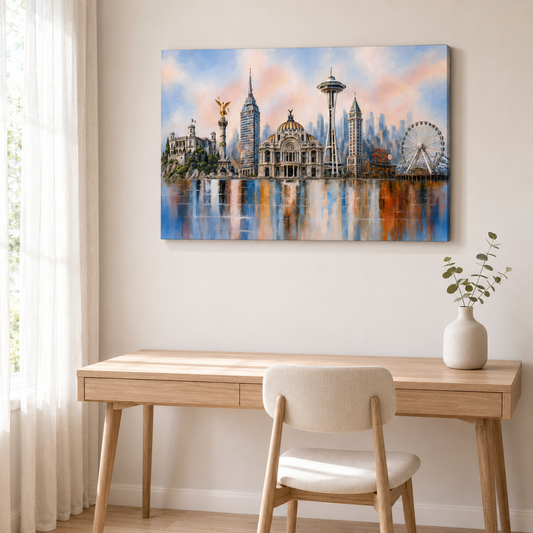
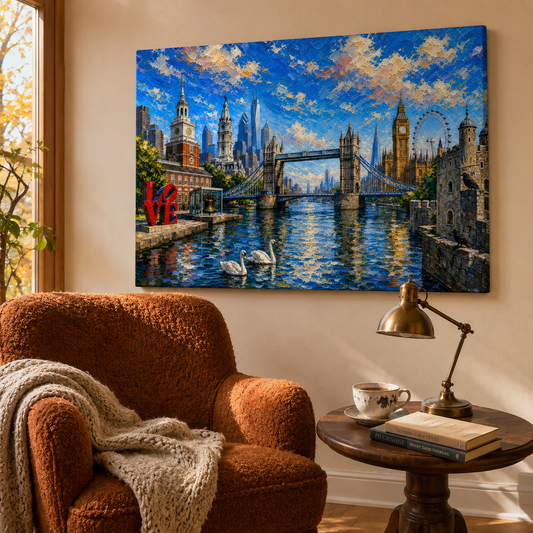
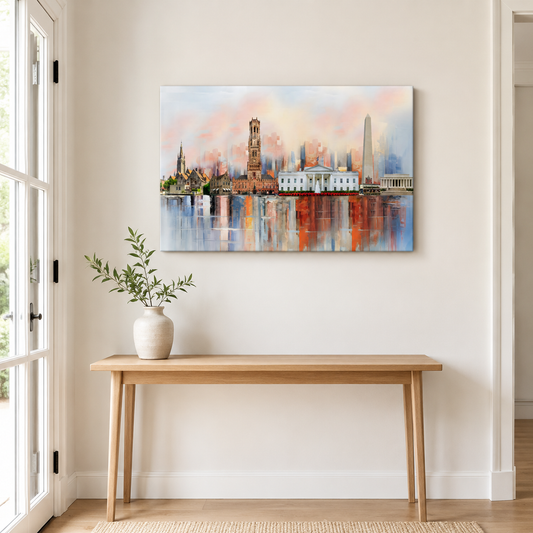
We're TwinCity Artworks. We make custom artwork that combines two or more cities into one piece, for people whose hearts live in more than one place: expats, couples in different countries, and families spread across the map. You choose the cities, see a free digital preview, and request changes before anything is printed. Visit TwinCity Artworks
FAQ
What are the stages of culture shock?
A common model has four: honeymoon, frustration, adjustment and adaptation. They aren't strictly in order, and people can move back and forth.
How long does culture shock last?
It varies a lot from person to person, and there's no fixed timeline. It often eases as you build routines, friendships and some language.
What is reverse culture shock?
It's the disorientation people feel when they return to their home country after living abroad. Home can feel smaller, slower or unfamiliar. Some models count it as a fifth stage.
What are the signs of culture shock?
Irritability, anxiety, sadness, tiredness, changes in sleep or appetite, and withdrawing from people. If it feels heavy or lasts a long time, speak to a doctor or counsellor.
How can I cope with culture shock?
Build small routines, avoid constant comparison with home, learn local habits, find one or two people you can be honest with, and stay in touch with home in a balanced way.